

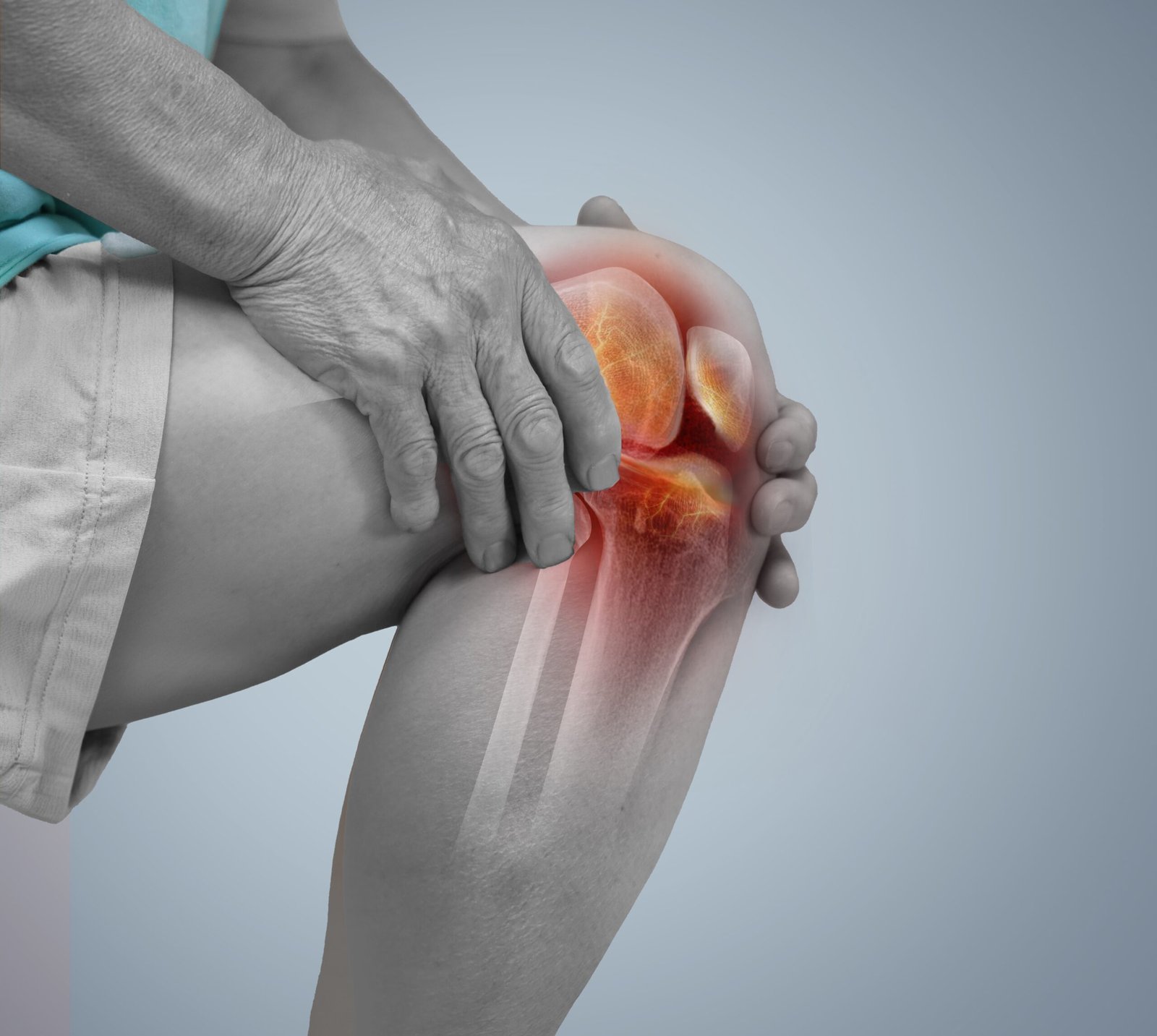
Arthritis and chronic joint pain have become some of the most common health challenges in today’s world, affecting people across all age groups. Due to long sitting hours, lack of physical movement, poor diet, and increased stress, joint discomfort has become a daily struggle for many. Arthritis is a condition in which the joints become inflamed, stiff, swollen, and painful, reducing mobility and overall quality of life. Over time, this leads to degeneration of cartilage, weak bones, and restricted flexibility, making even simple movements difficult.
Major Causes Behind Arthritis and Joint Degeneration
Joint problems usually arise from a combination of lifestyle and biological factors. Age-related wear and tear, obesity, nutrient deficiency, and long-term inflammation are major contributors. Poor posture, repetitive movements, injuries, and lack of exercise further accelerate joint degeneration. Stress, weakened digestion, and toxin accumulation affect the body’s ability to repair tissues. In many cases, autoimmune reactions also contribute to chronic joint pain. When vata imbalance increases in the body, stiffness, dryness, and pain worsen significantly.
Organs and Systems Affected by Arthritis
Arthritis not only affects the joints it also impacts overall body function. Knees, lower back, cervical spine, hips, and finger joints are the most commonly affected areas. The musculoskeletal system becomes weak, making walking, bending, or lifting difficult. Muscles around the joints lose strength, leading to instability. Nerves also become irritated, causing numbness, tingling, or sharp pain. Reduced blood circulation further slows healing and adds to discomfort, making the condition progressively worse if not treated on time.
Long-Term Effects and Consequences of Chronic Joint Pain
If arthritis remains untreated, it gradually limits mobility and leads to permanent joint damage. Daily activities such as climbing stairs, sitting, or walking become painful. Stiffness and swelling increase, especially in the morning. Over time, cartilage wears down, bones rub against each other, and joint deformities may occur. Chronic pain affects sleep, mood, energy, and overall functionality. Without proper support, arthritis can lead to dependency, reduced strength, and significantly lower quality of life.
Arthritis Trends Worldwide
| Obesity, sedentary jobs, poor diet, and inflammation | Latest Findings |
|---|---|
| Global arthritis patients | 350+ million people |
| Indians affected by arthritis | ~180 million adults |
| Age group most affected | 30–60 years (working population) |
| Rise in early-age joint pain | Women are 3x more likely than men |
| Most common type | Osteoarthritis (knee & spine) |
| Women affected more | Women 3x more likely than men |
| Contributing factors | 40% increase in the last 5 years |
| Natural treatment trend | High shift toward Ayurvedic pain support |
Preventive Measures to Reduce Joint Pain and Degeneration
Arthritis prevention requires consistent lifestyle modifications. Maintaining a healthy weight reduces pressure on joints. Eating anti-inflammatory foods like turmeric, ginger, leafy greens, nuts, and seeds helps control swelling. Staying physically active improves flexibility and strengthens muscles that support the joints. Avoiding long sitting hours, correcting posture, and taking short movement breaks protect the spine and knees. Hydration and proper sleep improve tissue repair, while reducing stress helps calm inflammation in the body.
Consult a healthcare professional before use, especially if you are pregnant & breastfeeding & have any pre-existing health conditions.
Daily Routine to Support Joint Flexibility and Strength
A structured daily routine can ease arthritis symptoms significantly. Starting the morning with light stretching or yoga reduces stiffness. Warm water intake improves mobility and reduces dryness in joints. Gentle walking, cycling, or physiotherapy exercises help maintain flexibility. Applying warm compresses relieves muscle tension. Eating meals on time and including herbal support in daily life enhances overall joint health. An early dinner and relaxing nighttime routine help the body recover and heal naturally.
Natural Ayurvedic Support with Vaat Bhasma Vati
Arthritis and chronic joint pain require long-term, natural support to reduce inflammation, strengthen bones, and improve mobility. YTM India Pvt. Ltd.’s Vaat Bhasma Vati is a powerful Ayurvedic formulation crafted with ingredients like Mochras, Godanti Bhasma, Yograj Guggul, Ashwagandha, Rasna, Sonth, Ajwain, and Giloy herbs traditionally known for relieving pain, reducing swelling, and strengthening muscles.
This herbal blend supports joint flexibility, enhances nerve function, and nourishes bones, offering deep relief from chronic pain. By improving circulation and reducing vata imbalance, Vaat Bhasma Vati helps restore natural movement and long-term joint wellness. With YTM India’s commitment to purity and authentic Ayurveda, this formulation becomes a trusted daily companion for anyone seeking lasting relief from arthritis and joint degeneration.

A natural ayurvedic remedy that is specially made to relieve pain in the back, knees, and joints. It helps reduce arthritis symptoms, decreases swelling, and strengthens muscles. It also supports strong bones and healthy nerves, providing complete care for joint and bone health. Improving joint movement and muscle function helps keep your bones, joints, and nerves strong for long-term well-being.
Key Benefits:
- Naturally relieves pain in the back, knees, and joints.
- Helps reduce arthritis symptoms and swelling.
- Strengthens muscles and bones, making them more durable and stronger.
- Supports healthy nerve function for long-term well-being.
- Improves joint movement and flexibility for an active life.
- Made with 100% natural ingredients for complete joint and bone care.






Leave a Reply