

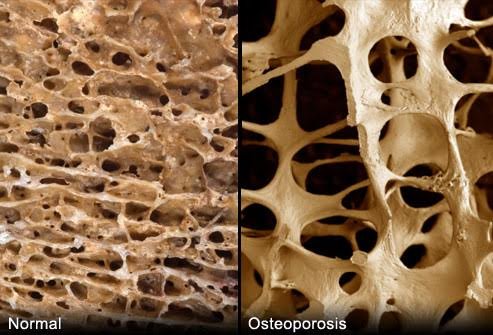
Osteoporosis has become one of the most widespread bone health disorders globally, causing bones to weaken, thin, and fracture easily. With increasing work pressure, poor nutrition, and rising sedentary habits, even young adults today are experiencing early signs of bone degeneration. Osteoporosis occurs when the rate of bone loss becomes faster than bone formation, leaving bones fragile and prone to fractures. This disorder silently progresses over the years, making it crucial to address early symptoms like back pain, joint discomfort, and reduced strength before severe complications arise.
Why Bone Weakness Happens: Key Causes Behind the Disorder
Multiple lifestyle and biological factors contribute to weakened bones. Low calcium and Vitamin D intake, lack of sunlight, poor diet, hormonal imbalance, smoking, alcohol consumption, and long working hours all accelerate bone degeneration. Women after age 40 face a greater risk due to hormonal changes and declining bone density. Stress and poor digestion further affect nutrient absorption, reducing the body’s ability to rebuild strong bones. Over time, this leads to brittle bones, weak joints, and increased fracture risk.
Organs and Systems Affected by Bone Degeneration
Osteoporosis primarily affects the skeletal system, but its consequences extend far beyond the bones. Spine, hips, knees, and wrists are most vulnerable to fractures and early degeneration. Weak joints reduce mobility, while a lack of cartilage support increases stiffness and pain. Muscles surrounding the bones lose strength, causing instability and posture issues. In severe cases, nerve compression in the spine leads to severe back pain, numbness, and reduced flexibility. Every movement becomes difficult when bones lose their structural strength.
Long-Term Consequences of Untreated Bone Weakness
Ignoring bone health results in rapid degeneration over the years. Minor falls begin to cause major fractures, especially in the hips and spine. Posture changes like stooping or hunching become common due to vertebral collapse. Daily activities such as walking, lifting, bending, and even sitting for long periods become painful. Chronic inflammation and joint stiffness reduce mobility, affecting overall quality of life. In advanced stages, osteoporosis can lead to permanent disability, making early intervention essential.
Current Data on Osteoporosis & Bone Weakness
| 70–85% population is deficient | Latest Findings |
|---|---|
| Global osteoporosis patients | ~500 million people |
| Women affected worldwide | 1 in 3 women after age 40 |
| Men affected worldwide | 1 in 5 men after age 50 |
| Indians with low bone density | ~230 million people |
| Teenagers showing early bone loss | 30% rise in last 5 years |
| Vitamin D deficiency in India | 30% rise in the last 5 years |
| Calcium deficiency | ~50% adults |
| Main causes | Poor diet, lack of sunlight, sedentary lifestyle |
Preventive Measures for Maintaining Strong Bones
Strong bones require consistent nutritional and lifestyle care. Sunlight exposure boosts Vitamin D levels, while a calcium-rich diet supports bone formation. Weight-bearing exercises like walking, yoga, stair climbing, and strength training improve bone density and reduce the risk of fractures. Avoiding smoking, alcohol, and excessive caffeine helps maintain mineral balance. Staying active, improving posture, and including anti-inflammatory foods such as garlic, turmeric, and green vegetables also support long-term skeletal health.
Consult a healthcare professional before use, especially if you are pregnant & breastfeeding & have any pre-existing health conditions.
Daily Routine to Improve Bone Strength and Flexibility
Starting the day with gentle stretching helps improve joint mobility and reduce stiffness. Including milk, nuts, leafy greens, and mineral-rich fruits in daily meals strengthens the bones naturally. Regular physical activity, hydration, and mindful sitting posture protect the spine and joints. A proper sleep routine supports hormonal balance and bone repair. Adding Ayurvedic support enhances calcium absorption, promotes bone regeneration, and maintains skeletal strength throughout all age groups.
Natural Bone Strengthening Support with Bone Health Tablet
Osteoporosis and chronic bone weakness require long-term nutritional and herbal support to restore bone density and maintain structural strength. Bone Health Tablet by YTM India Pvt. Ltd. is a powerful Ayurvedic blend enriched with natural nutrients like Urtica Dioica, Equisetum Arvense, Spirulina, Green Tea, Mushrooms, Garlic, and Musli, ingredients known for improving calcium absorption, supporting bone regeneration, reducing inflammation, and enhancing joint flexibility.
This natural herbal formulation strengthens the skeletal system from within, protects bones from brittleness, and supports overall mobility and posture. With YTM India’s commitment to purity and authentic Ayurvedic science, Bone Health Tablet becomes a trusted daily solution for maintaining strong, healthy, and resilient bones at every age.
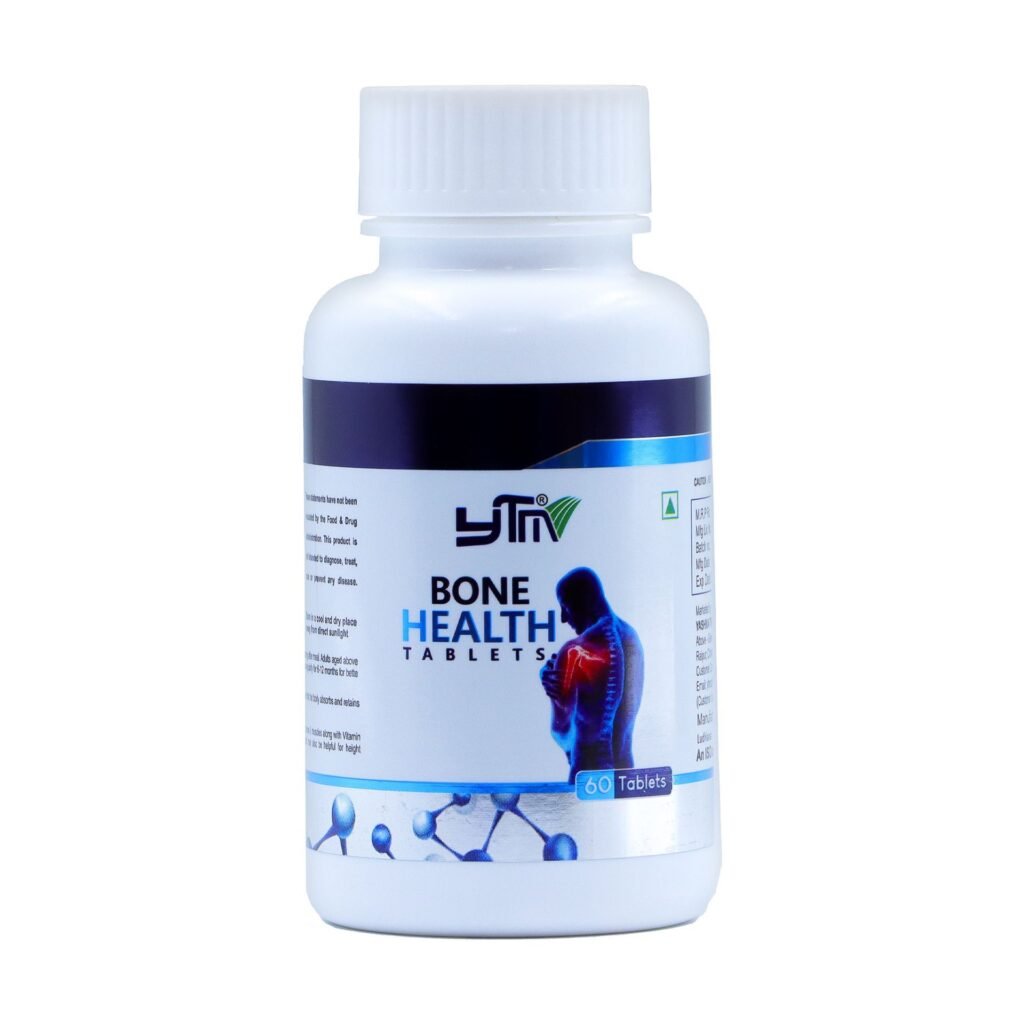
Bone Health Tablets are a natural supplement designed to support strong and healthy bones. These tablets are rich in essential nutrients like Vitamin D, Calcium, Zinc, Magnesium, and Glucosamine, which work together to improve bone strength, support bone regeneration, and enhance calcium absorption. They also promote joint health, keeping your bones and joints flexible and strong. Regular use of these tablets helps maintain overall skeletal well-being and supports healthy bone density
Key Benefits:
- Supports strong and healthy bones by providing natural sources of calcium and Vitamin D3
- Enhances calcium absorption and supports bone regeneration
- Helps improve bone density and reduces the risk of bone weakness or brittleness
- Promotes joint health, flexibility, and mobility
- Contains anti-inflammatory herbs like Green Tea and Garlic to reduce joint stiffness
- Strengthens the overall skeietai system and maintains bone structure
- Boosts natural collagen support through ingredients like Spirulina and Mushrooms





Leave a Reply