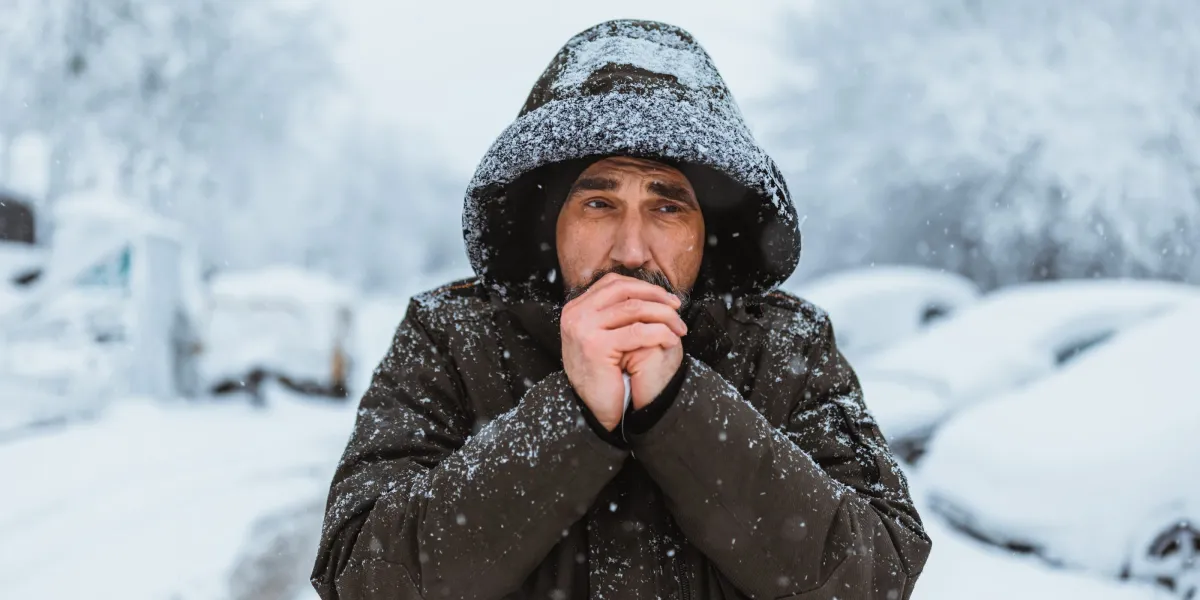
As temperatures drop, many people notice their joints becoming stiff, sore, and painful. Winter body pain is not just discomfort caused by cold air; it is a combination of reduced blood circulation, muscle tightening, and changes in joint fluids. Cold weather causes muscles and connective tissues to contract, which limits flexibility and increases pressure on joints. This is why even people without chronic conditions may experience joint discomfort during winter.
How Cold Weather Affects Joints and Muscles
Low temperatures slow down blood flow to the extremities, especially hands, knees, and feet. When circulation slows down, oxygen and nutrients reach the joints more slowly, leading to stiffness and pain. At the same time, muscles lose warmth and elasticity, making movements feel heavier and more painful. This effect becomes more pronounced in older adults and individuals with sedentary lifestyles.
Role of Joint Fluid and Barometric Pressure
Joints are cushioned by synovial fluid, which helps smooth movement. In cold weather, this fluid becomes thicker, reducing lubrication between bones. Additionally, changes in barometric pressure during winter can cause tissues around joints to expand slightly, irritating nerves and increasing pain sensitivity. This explains why weather changes often trigger sudden aches.
Who Is Most Affected During Winter
Winter joint stiffness affects people differently, but some groups are more vulnerable. Elderly individuals, people with arthritis, past joint injuries, low muscle mass, or vitamin deficiencies often experience stronger symptoms. Long hours of sitting, lack of sunlight, and reduced physical activity during winter further worsen body pain and joint tightness.
Common Symptoms of Winter-Related Joint Pain
Typical signs include stiffness after waking up, pain during movement, swelling around joints, muscle cramps, and reduced flexibility. Many people also feel discomfort in the lower back, knees, shoulders, and neck. These symptoms may ease with warmth but return when exposed to cold environments again.
Daily Habits That Make Winter Pain Worse
Ignoring physical activity, wearing inadequate clothing, poor posture, dehydration, and excessive consumption of cold or processed foods can intensify winter pain. Sleeping in cold rooms without proper insulation and skipping warm-up movements before activity also adds stress to joints and muscles.
Practical Ways to Reduce Joint Stiffness in Winter
Keeping the body warm is essential. Wearing layered clothing, using warm compresses, and maintaining indoor warmth help relax muscles. Gentle stretching, yoga, or light walking improves circulation and keeps joints mobile. Staying hydrated and eating warm, nutrient-rich meals supports muscle and joint function. Adequate sleep and regular movement breaks prevent stiffness buildup.
Long-Term Care for Healthy Joints in Cold Seasons
Winter body pain should not be ignored, especially if it recurs every year. Building muscle strength, maintaining a healthy weight, staying active year-round, and paying attention to posture help protect joints in the long run. Early care and consistent routines reduce the impact of cold temperatures on joints and allow smoother, pain-free movement even during harsh winters.







Leave a Reply