


Pregnancy is a natural process in which a woman carries a developing fetus inside her womb for about nine months, usually around 40 weeks from conception to birth. It marks the beginning of new life and involves incredible physical, hormonal, and emotional changes in a woman’s body.
Pregnancy is divided into three trimesters, each bringing unique developments for both the mother and the baby. The body adapts to nourish and protect the growing fetus, making it one of the most delicate and transformative phases in a woman’s life. Proper care, nutrition, and emotional balance during pregnancy are essential for the health of both mother and child.
Genetic and Biological Factors Influencing Pregnancy Outcomes
Pregnancy occurs when a sperm cell fertilizes an egg released from a woman’s ovary during ovulation. The fertilized egg then travels to the uterus, where it implants itself into the uterine wall and begins to grow.
While pregnancy is a natural biological process, certain factors influence the ability to conceive and sustain a healthy pregnancy, such as:
- Balanced hormones (estrogen and progesterone)
- Healthy ovulation cycles
- Proper nutrition and body weight
- Emotional stability and stress management
- Absence of reproductive disorders like PCOS or endometriosis
- Good overall health and immunity
A healthy pregnancy is the result of physical preparedness, mental calmness, and nurturing self-care.

Changes in the Digestive System During Pregnancy
Pregnancy affects almost every organ and system in a woman’s body. The reproductive system, particularly the uterus, ovaries, and placenta, plays the most crucial role. The uterus expands to accommodate the growing fetus, while the placenta supplies oxygen and nutrients through the umbilical cord.
The endocrine system releases hormones such as estrogen, progesterone, and hCG to support fetal development. The cardiovascular system works harder to pump more blood, and the digestive and urinary systems adjust to accommodate the growing baby. Additionally, the musculoskeletal system adapts to balance the body’s posture and support weight gain.
All these changes, though temporary, reflect the body’s remarkable ability to nurture life.
How Pregnancy Influences Mobility and Daily Comfort
During pregnancy, women experience a variety of physical and emotional changes. Common physical effects include morning sickness, fatigue, back pain, increased appetite, weight gain, and swelling in the feet or hands. Hormonal changes can also lead to mood swings, sleep disturbances, and skin changes.
In some cases, complications may arise, such as gestational diabetes, high blood pressure (preeclampsia), anemia, or thyroid imbalance. Emotional challenges like anxiety and mood fluctuations are also common due to hormonal surges and lifestyle adjustments.
While these changes are natural, proper care, rest, nutrition, and medical supervision can make pregnancy a healthy and joyful experience.
Global Maternal Mortality Rates: The Updated Report
According to the World Health Organization (WHO, 2024), around 140 million births occur globally each year. However, maternal health challenges still exist, with maternal mortality rates being higher in developing countries due to the lack of prenatal care and nutrition.
| Category | Key Insights (Based on WHO 2024 & National Surveys) |
|---|---|
| Global Births per Year | Approximately 140 million births occur worldwide annually. |
| Maternal Health Concern | Higher maternal mortality in developing countries due to poor prenatal care & weak nutrition. |
| Births in India per Year | Nearly 27 million women give birth annually. |
| Improvement in India | Increased hospital deliveries, better prenatal awareness, and improved access to healthcare. |
| Current Challenges | Anemia, poor diet, stress, and low immunity remain major issues among expecting mothers. |
| New Health Trends | Growing focus on Ayurvedic prenatal support, mental wellness, and natural immunity boosters for mother & child. |
In India, approximately 27 million women give birth annually. Recent national health surveys show progress in maternal and infant care, with improved access to hospitals and awareness about prenatal health. However, anemia, poor diet, and stress continue to affect a significant number of expectant mothers.
Modern medical advancements and awareness campaigns are now emphasizing Ayurvedic prenatal support, mental wellness, and natural immunity strengthening for both mother and child.
Precautions for High-Risk Pregnancies: What to Avoid and Why
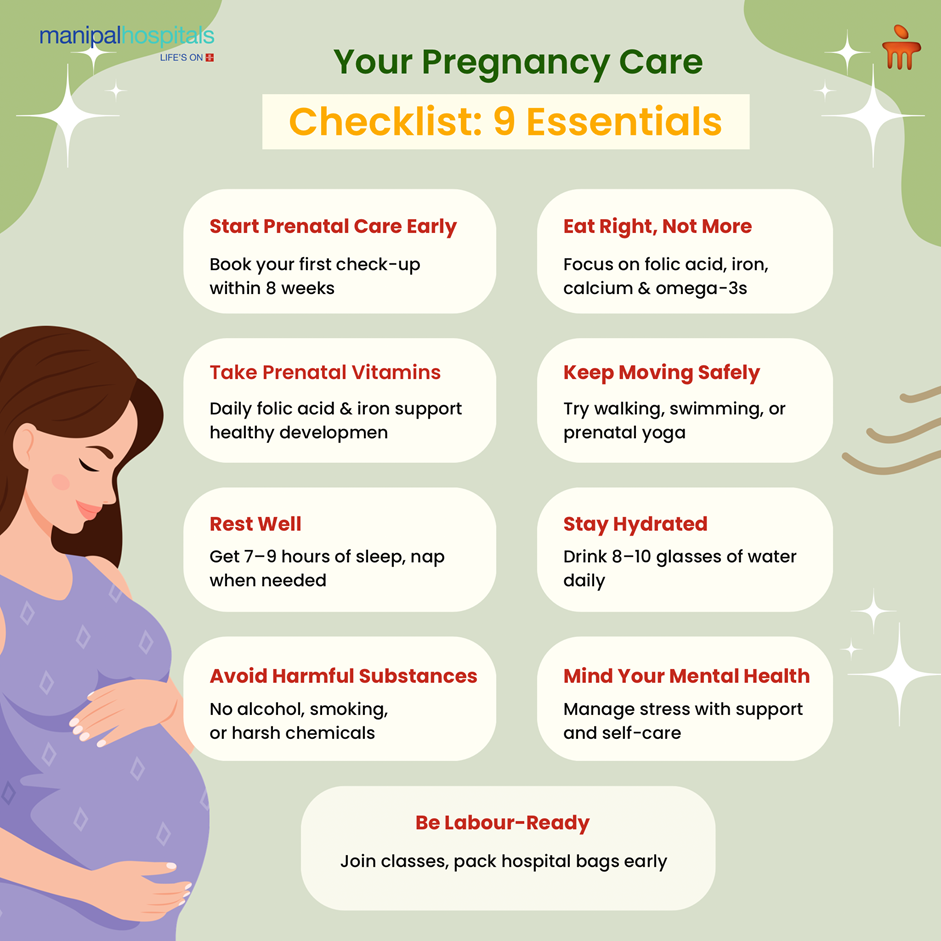
Pregnancy demands care, patience, and discipline. Taking preventive measures ensures a safe and healthy journey.
Key precautions include:
- Visit a gynecologist regularly for prenatal care and check-ups.
- Take iron, calcium, and folic acid supplements as prescribed.
- Follow a balanced diet rich in fruits, vegetables, dairy products, whole grains, and protein.
- Drink plenty of water and maintain proper hydration.
- Avoid smoking, alcohol, and caffeine.
- Stay active with light yoga or prenatal exercises.
- Manage stress with meditation, positive affirmations, and rest.
- Avoid lifting heavy objects or overexertion.
Listening to your body and maintaining emotional calm are equally important during this stage.
Safe Daily Exercises to Support Pregnancy Health
A healthy daily routine supports both the mother’s strength and the baby’s growth.
Morning:
- Wake up early and take a few deep breaths or short meditation.
- Drink warm water with a few drops of lemon or honey.
- Have a nutritious breakfast: fruits, oats, or milk.
Daytime:
- Eat small, frequent meals throughout the day.
- Rest for 20–30 minutes after lunch.
- Stay hydrated and walk for a few minutes after meals.
Evening/Night:
- Avoid heavy meals and stressful activities.
- Spend relaxing time listening to soft music or reading.
- Sleep early and ensure 8–9 hours of rest.
Maintaining this balanced routine ensures better digestion, mood stability, and healthy fetal development.
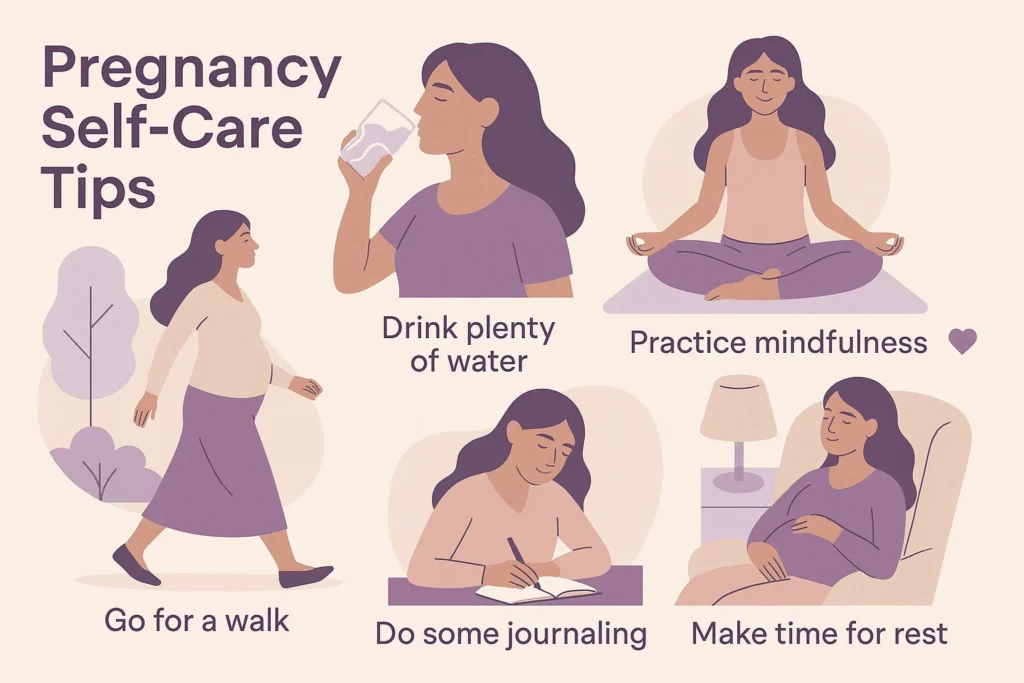
Embracing the Journey of Motherhood
In Ayurveda, pregnancy is viewed as a sacred period that requires nourishment of both body and mind. It emphasizes the balance of Vata, Pitta, and Kapha doshas to ensure the smooth growth of the baby and emotional well-being of the mother. Ayurvedic care promotes gentle detoxification, rejuvenation, and energy restoration through herbs and nutrition.
For holistic maternal wellness, YTM India’s Sea Buckthorn Juice and Hridu Rakshak Ras can provide natural nourishment.
- Sea Buckthorn Juice is packed with omega fatty acids, vitamin C, and antioxidants that help boost immunity, improve skin health, and maintain energy during pregnancy.
- Hridu Rakshak Ras, made from Arjun, Lahsun, Saunth, lemon, apple cider, and honey, supports heart health, improves circulation, and enhances stamina, helping pregnant women stay strong and active.







Leave a Reply